keywords:
boundary objects.
Music Information Science
The Annotation Object (symbolic, numeric, or text) and levels of ambiguity
the more un-ambiguous it is, the closer it is to a form of notation, as opposed to annotation.
Do these annotations convey any information that might be valuable in the future or are they only relevant given a certain time and context?
primary artefact (e.g. musical notation, sheet music)
Humans use symbols to recognize, comprehend, and even create the world; and both science and the arts work together to help make sense of that world.
notation is a symbol system where each symbol corresponds to one item in the field of reference, and each item corresponds to only one symbol. A 1-1 mapping?
Symbol systems, like music notation, which are defined by semantic rules, require more than this to be notational: the characters in a notational symbol system must be:
1) unambiguous;
2) the characters must be semantically disjoint (i.e., meanings cannot
intersect);
and 3) the system must be finitely differentiated (it is always possible to know to which item a symbol refers).
Musical scores qualify as notational systems, with some qualifications that will be discussed later. Natural language has a notational scheme but fails to be a notational system because of ambiguities (in English, the word “bank” refers to a piece of land on the side of a river, as well as a place where people conduct financial transactions) and instances of semantic “disjointness” (the words “woman” and “teacher” often refer to the same thing).Text block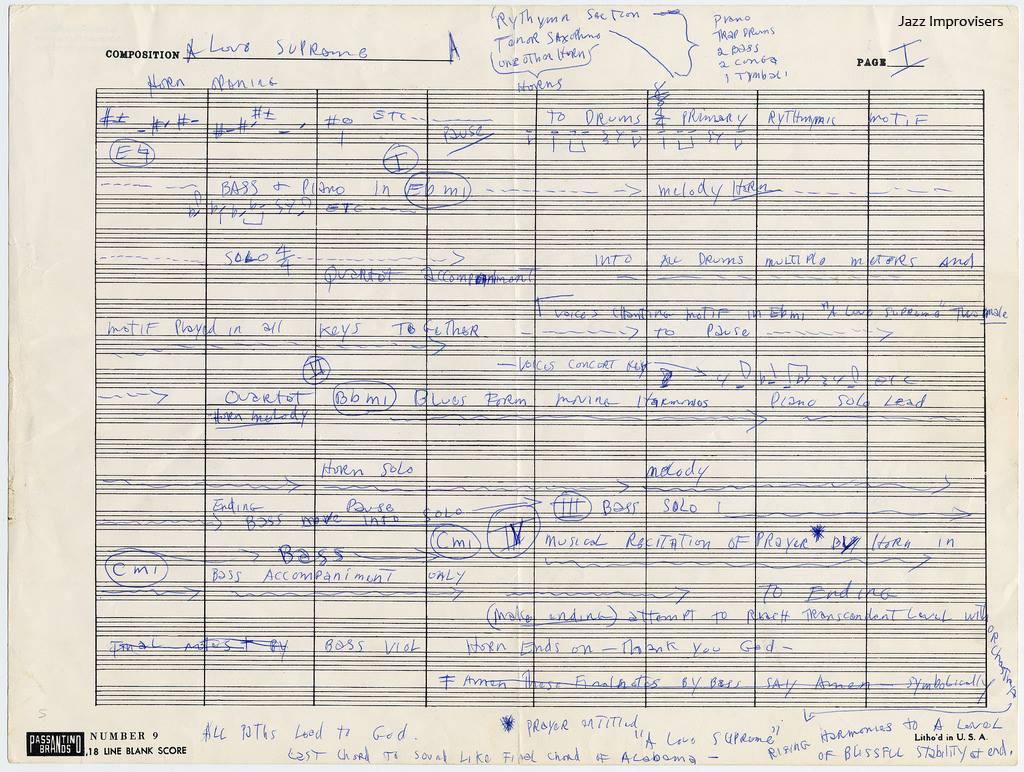 fdi6xx6xoaivps4?format=jpg-name=medium
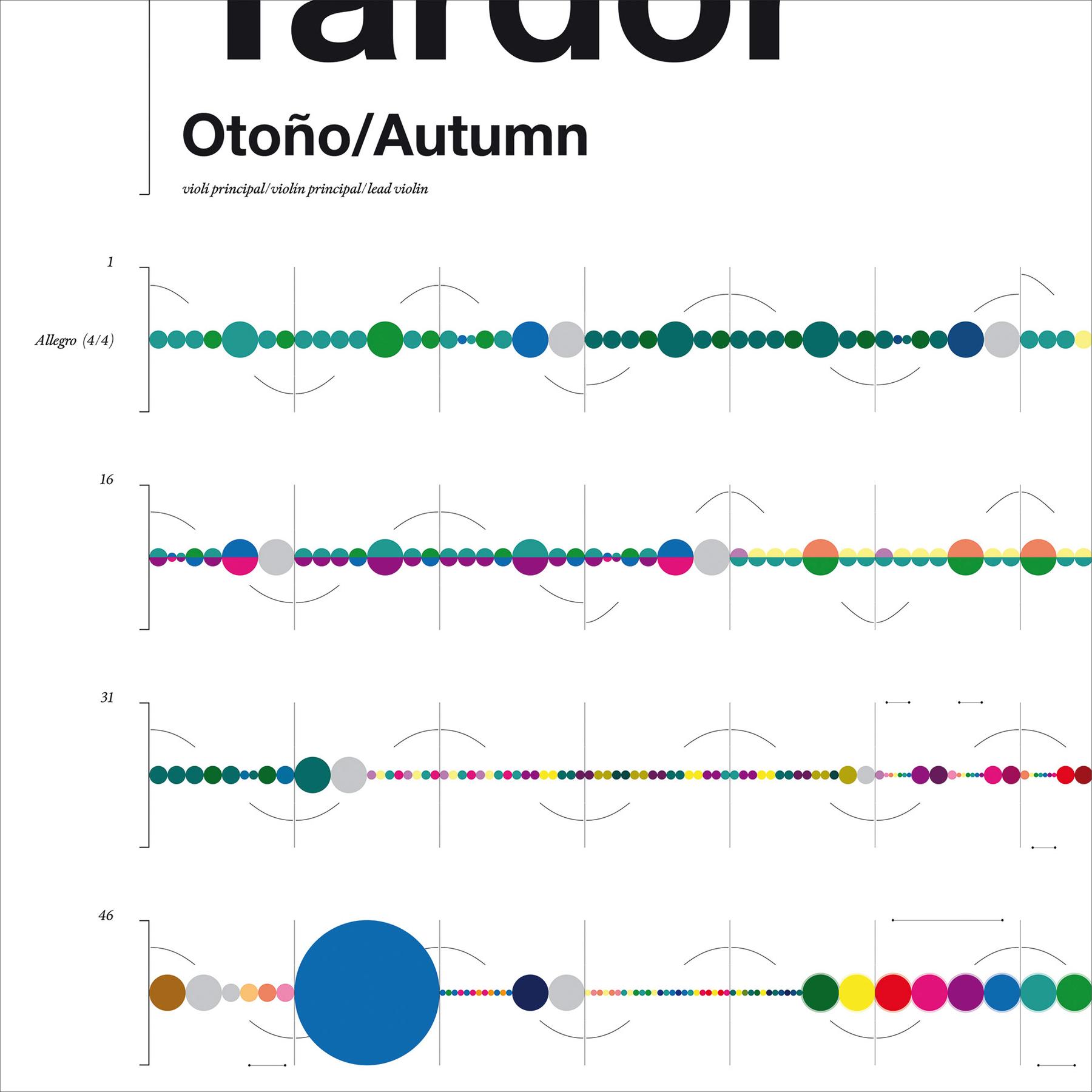 SisTeMu - visual language for music
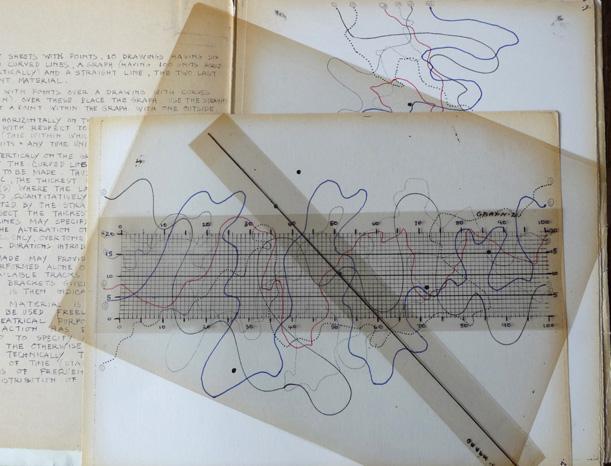 John Cage score
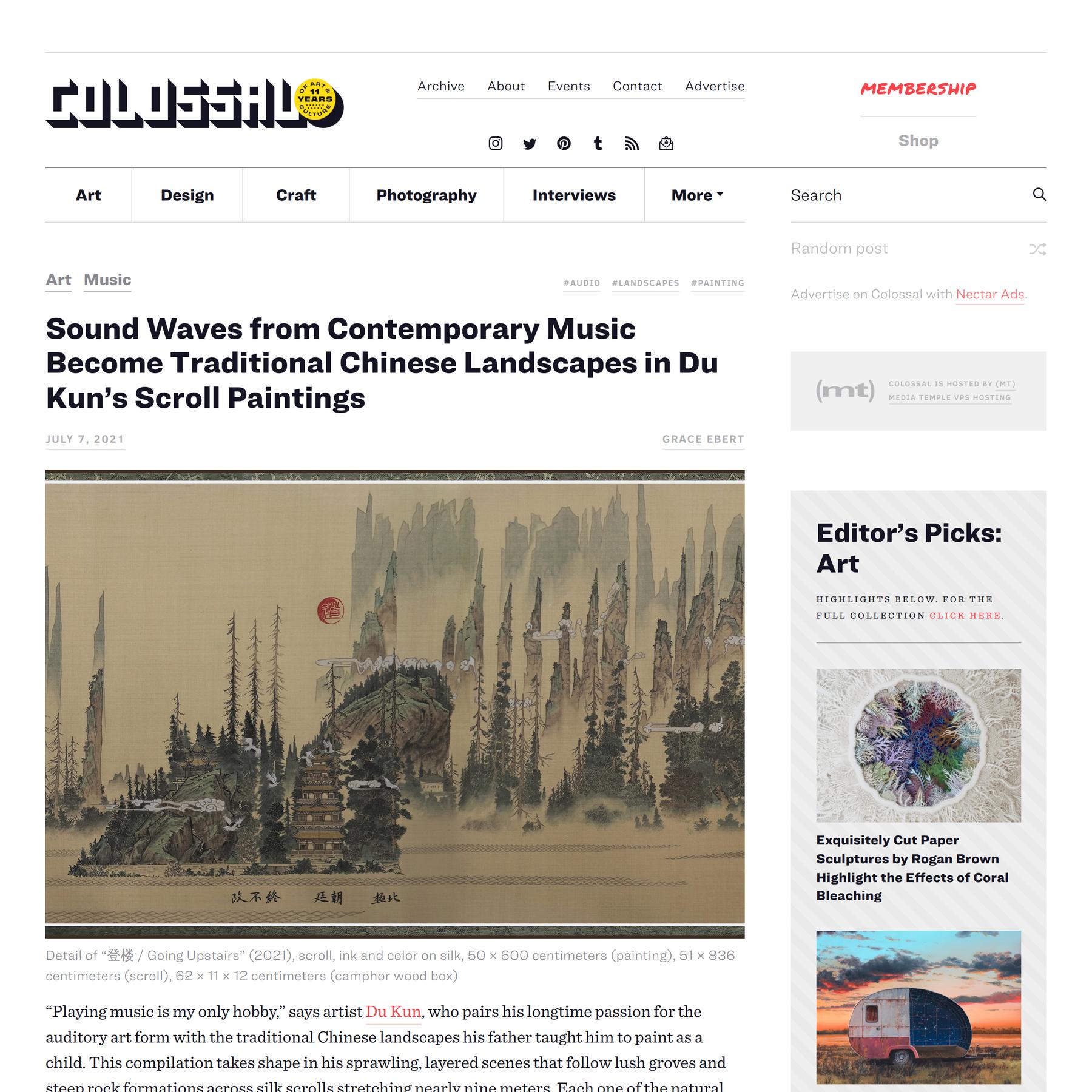 Sound Waves from Contemporary Music Become Traditional Chinese Landscapes in Du Kun’s Scroll Paintings
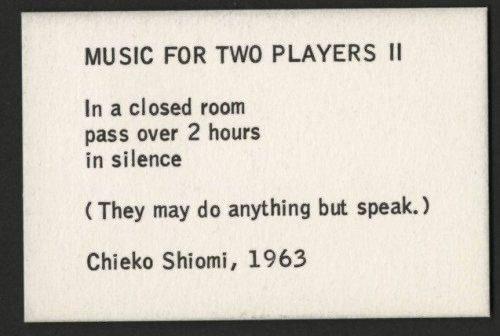
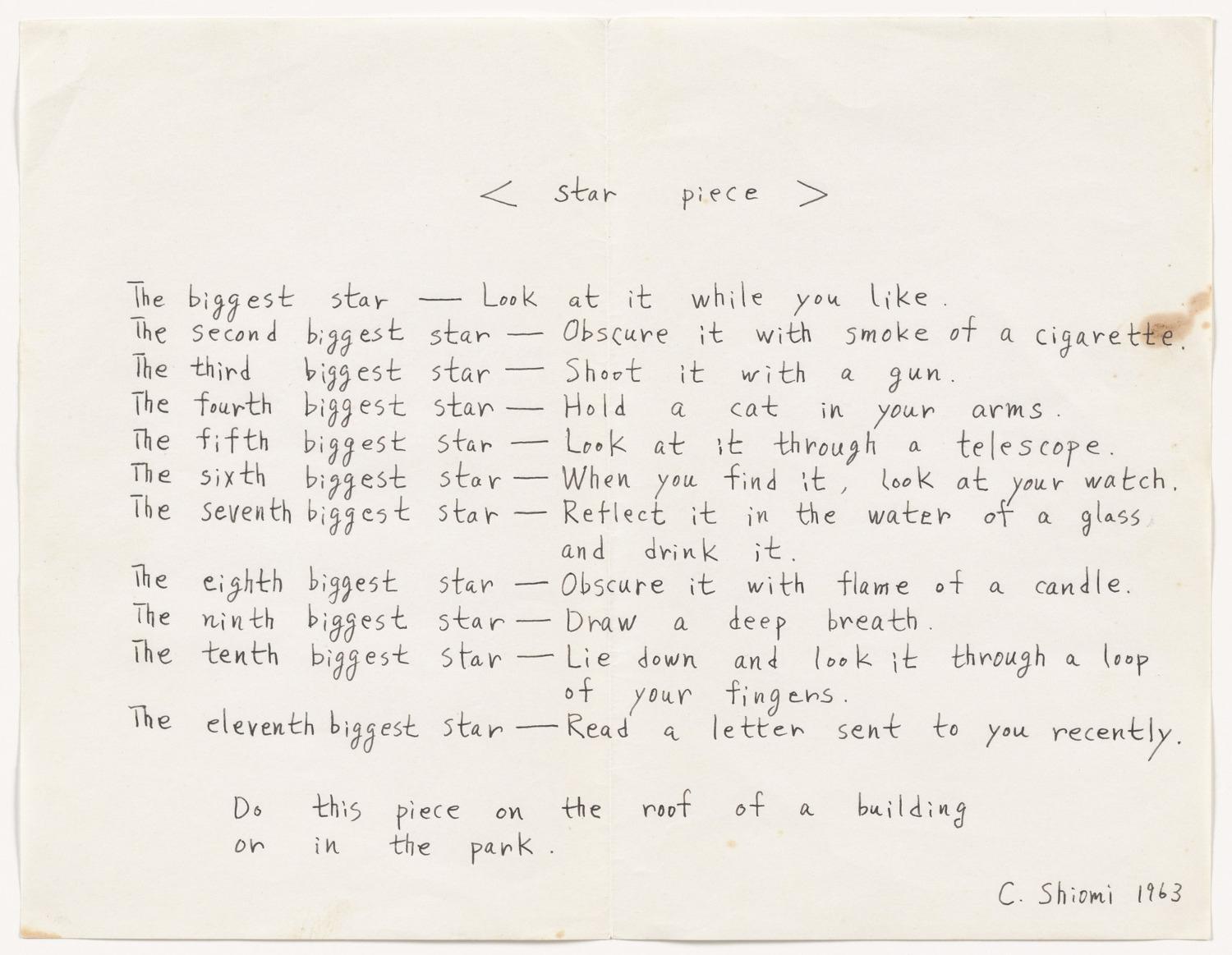 Mieko Shiomi
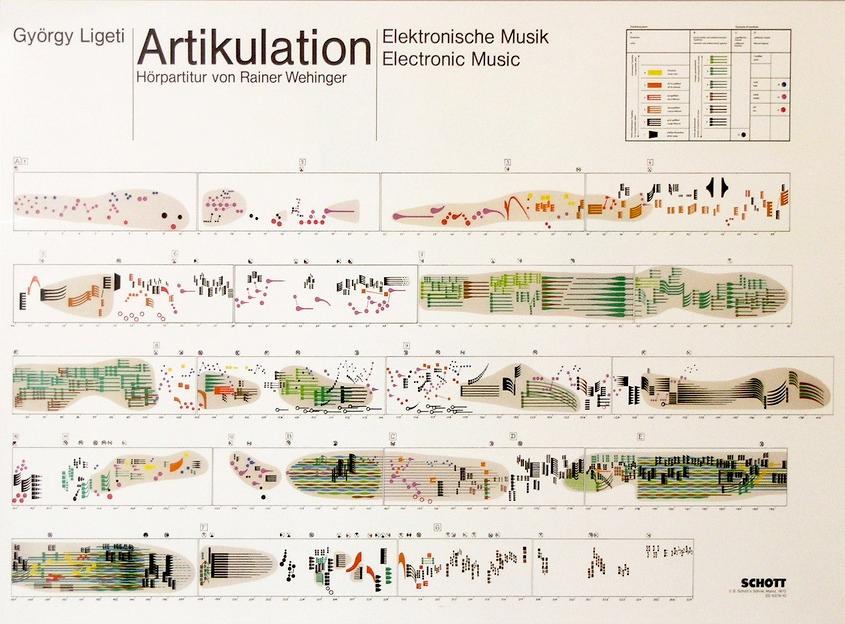 original_7910c21d2c16df1ef5cd89477f21ad90.jpg?1477970213
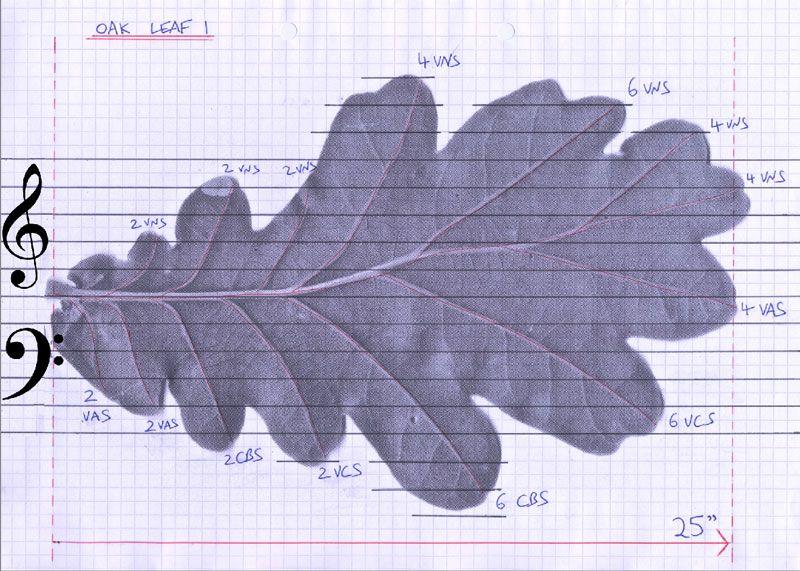 z6gomca.jpg
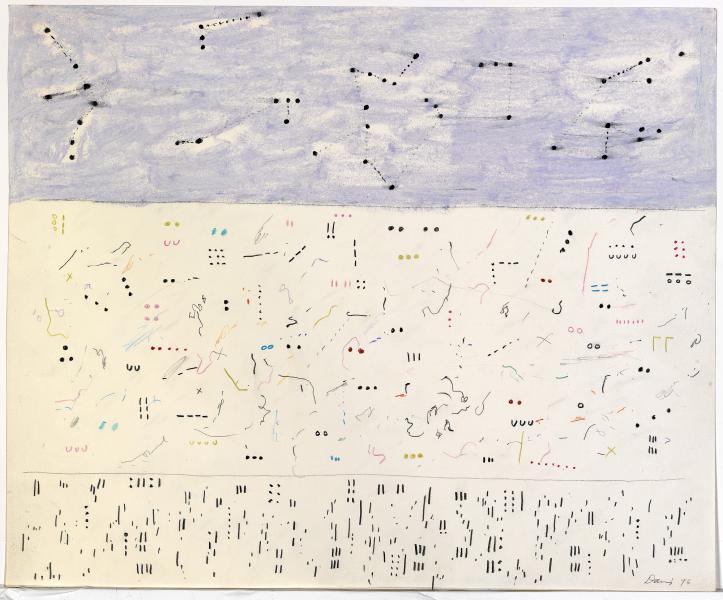 Gene Davis, Deep Six, 1976, pencil, colored pencil and crayon on paper, Smithsonian American Art Museum, Bequest of Florence Coulson Davis, 2000.43.57
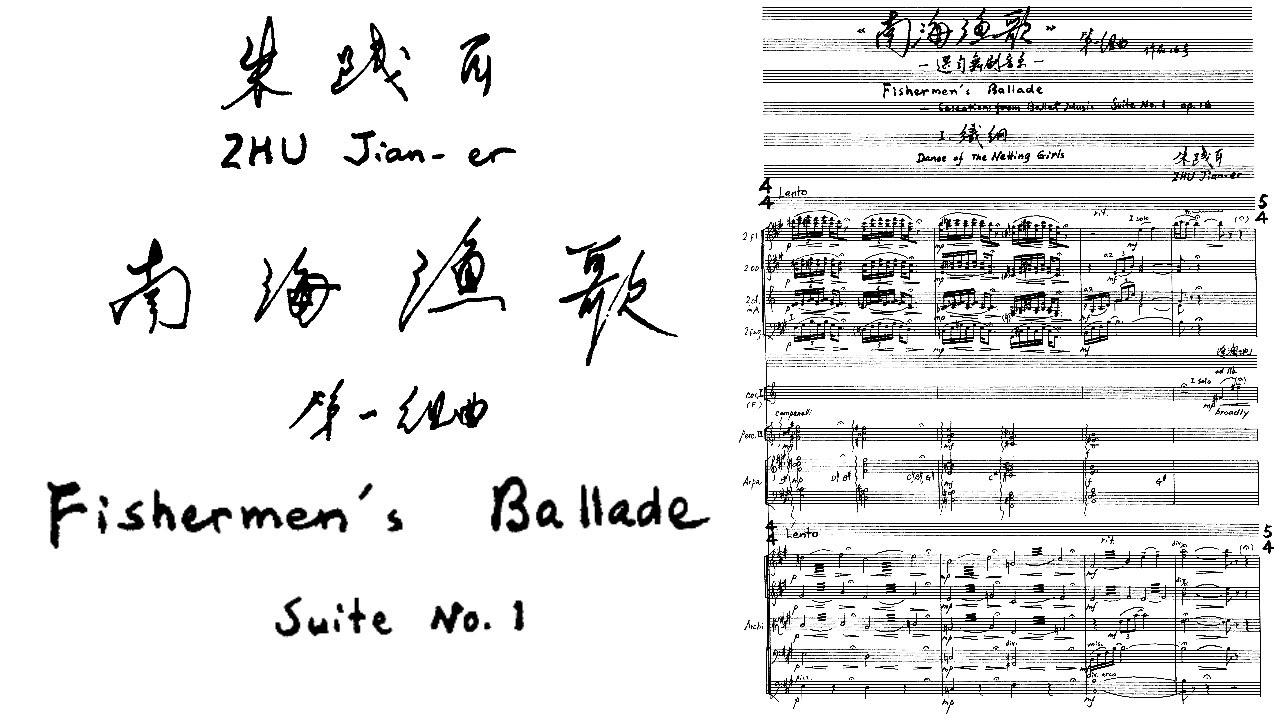 Jian'er Zhu's handwriting
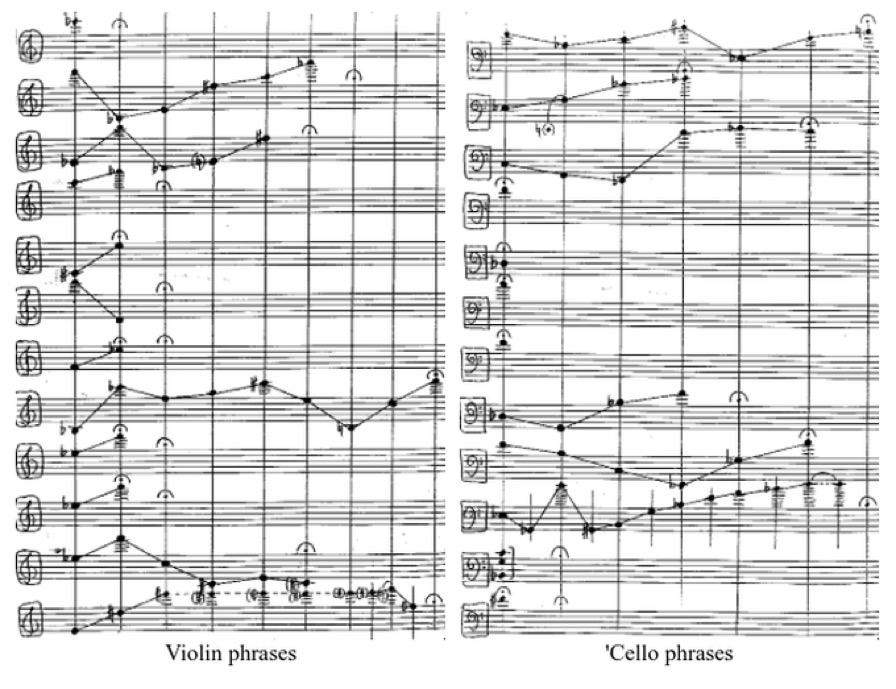 0cecdb94-933f-4cd1-8941-8880a114ba04.jpg
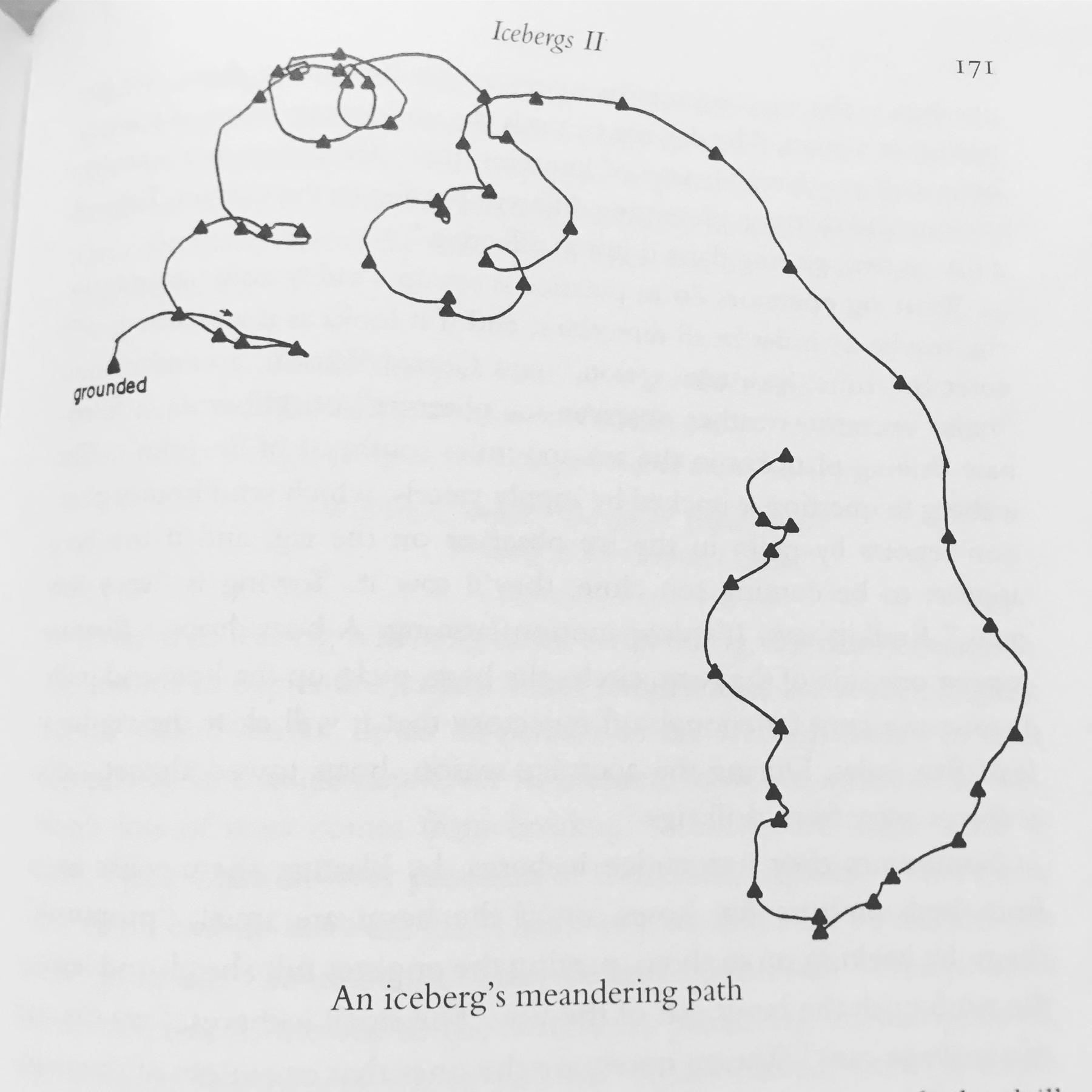 "An iceberg's meandering path"
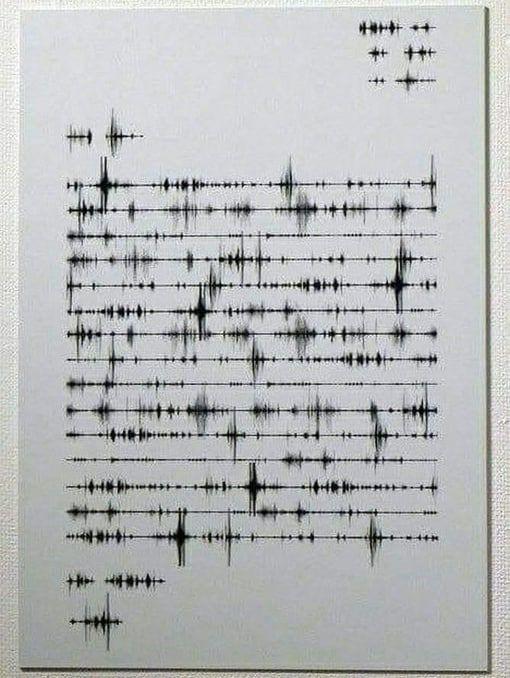 ee1dec18-2390-4597-82ad-21dd4cd10be7.jpg
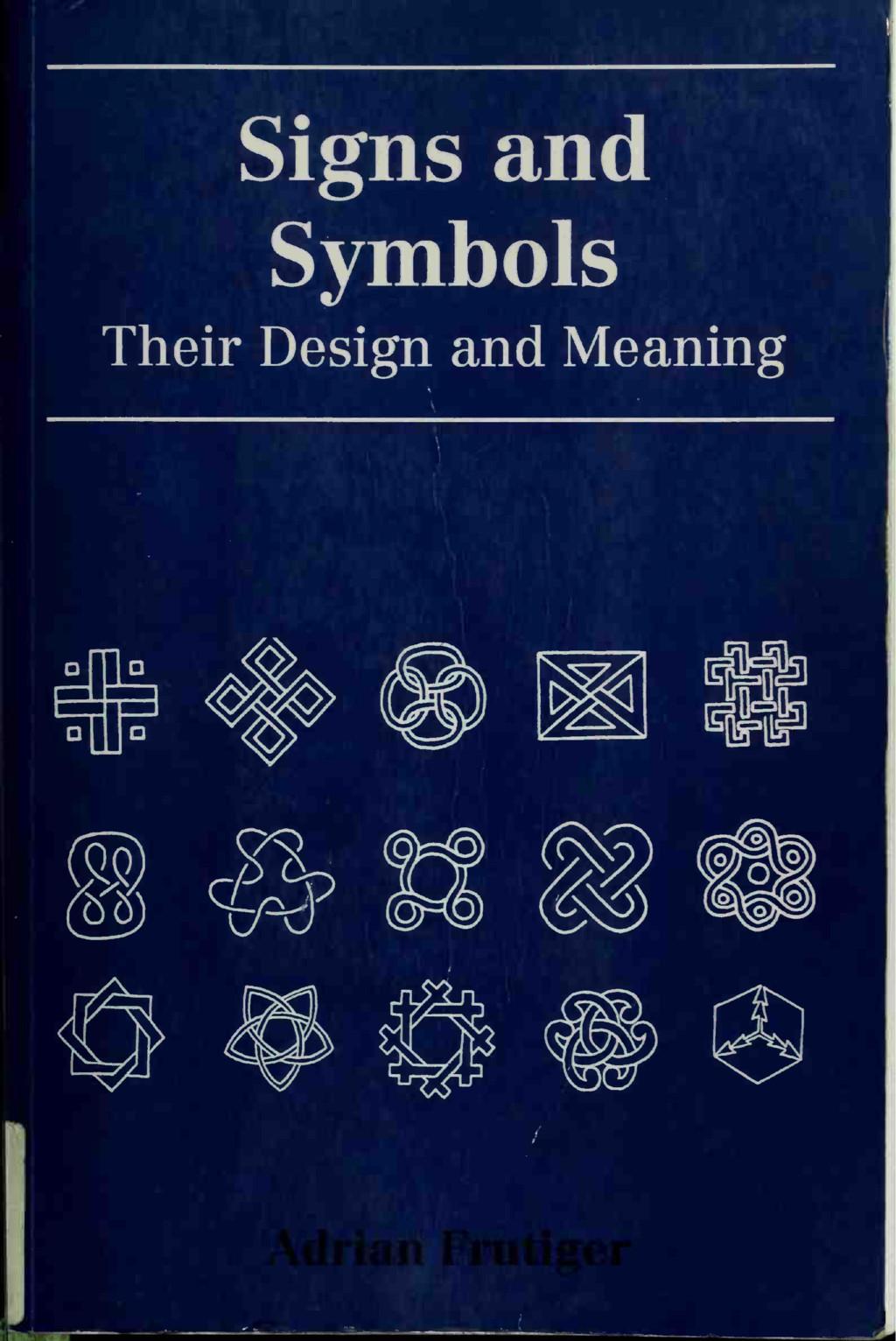 signs-and-symbols.pdf
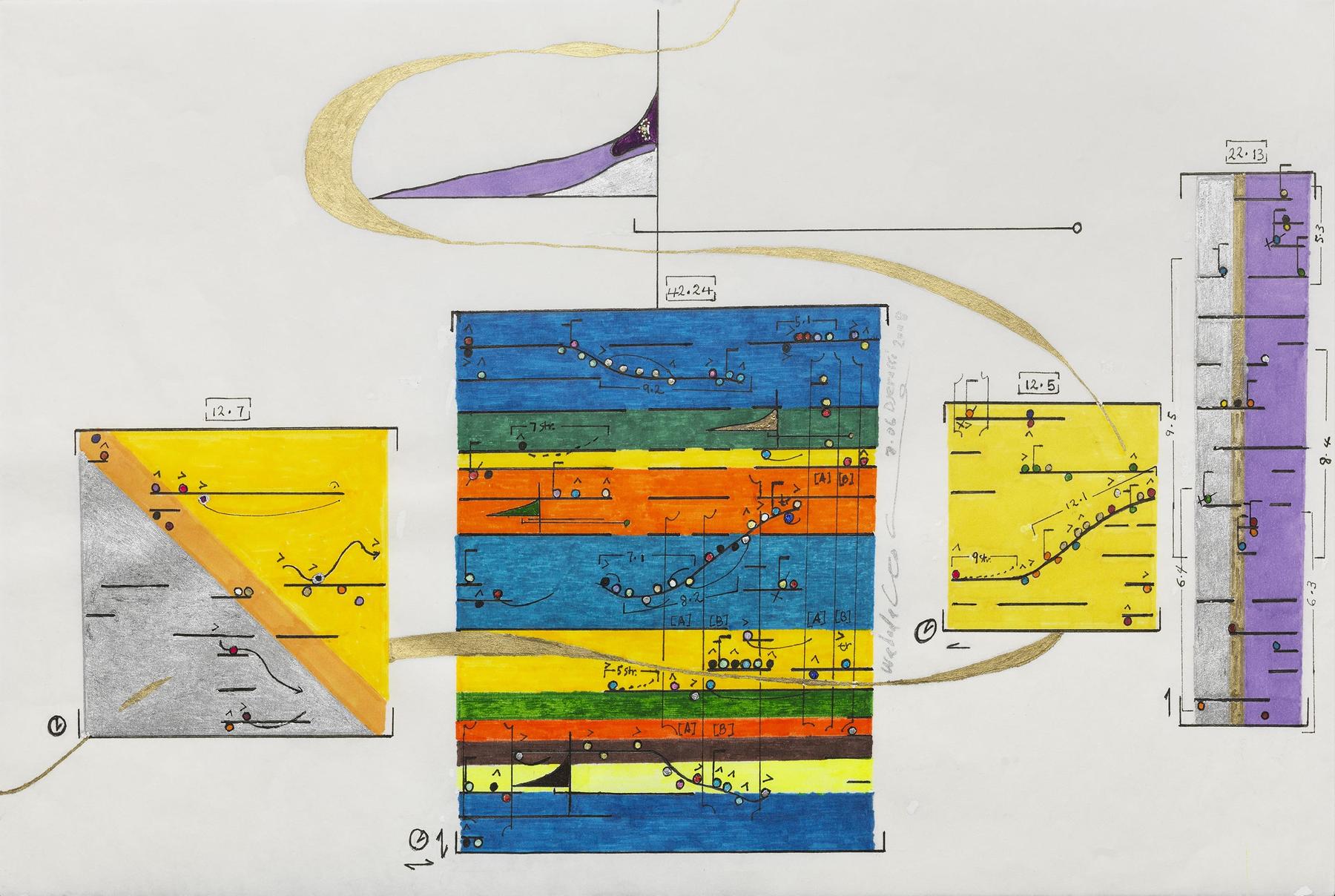 Wadada Leo Smith’s Graphic ScoreWhen he was composing “The Bell,” Smith drew Xs with vertical stems and enclosed them in a dotted-line box near the end of the score. Unsure of what they represented, he listened to a rehearsal recording when he noticed the ensemble went silent as they reached the box. In a May 2022 interview with Chamber Music America, he described it:
“Right there, Muhal gave the music another stroke,” Smith said. “And then I gave it another stroke. And I felt that sense of space I’d only imagined. Those two strokes had an equivalence of silence in between them. I realized that sound could be silence, and silence could be sound. I understood how they connected. I heard it as a rhythm unit.”
Another seed had taken root. A central component of Ankhrasmation language, the “rhythm unit,” is Smith’s non-metrical concept of musical time that balances silence and sound. Rhythm units allow a piece with an undefined tempo/time signature to establish its own momentum and time coordination.Wadada Leo Smith Invites You To Listen
Wadada Leo Smith’s Graphic ScoreWhen he was composing “The Bell,” Smith drew Xs with vertical stems and enclosed them in a dotted-line box near the end of the score. Unsure of what they represented, he listened to a rehearsal recording when he noticed the ensemble went silent as they reached the box. In a May 2022 interview with Chamber Music America, he described it:
“Right there, Muhal gave the music another stroke,” Smith said. “And then I gave it another stroke. And I felt that sense of space I’d only imagined. Those two strokes had an equivalence of silence in between them. I realized that sound could be silence, and silence could be sound. I understood how they connected. I heard it as a rhythm unit.”
Another seed had taken root. A central component of Ankhrasmation language, the “rhythm unit,” is Smith’s non-metrical concept of musical time that balances silence and sound. Rhythm units allow a piece with an undefined tempo/time signature to establish its own momentum and time coordination.Wadada Leo Smith Invites You To Listen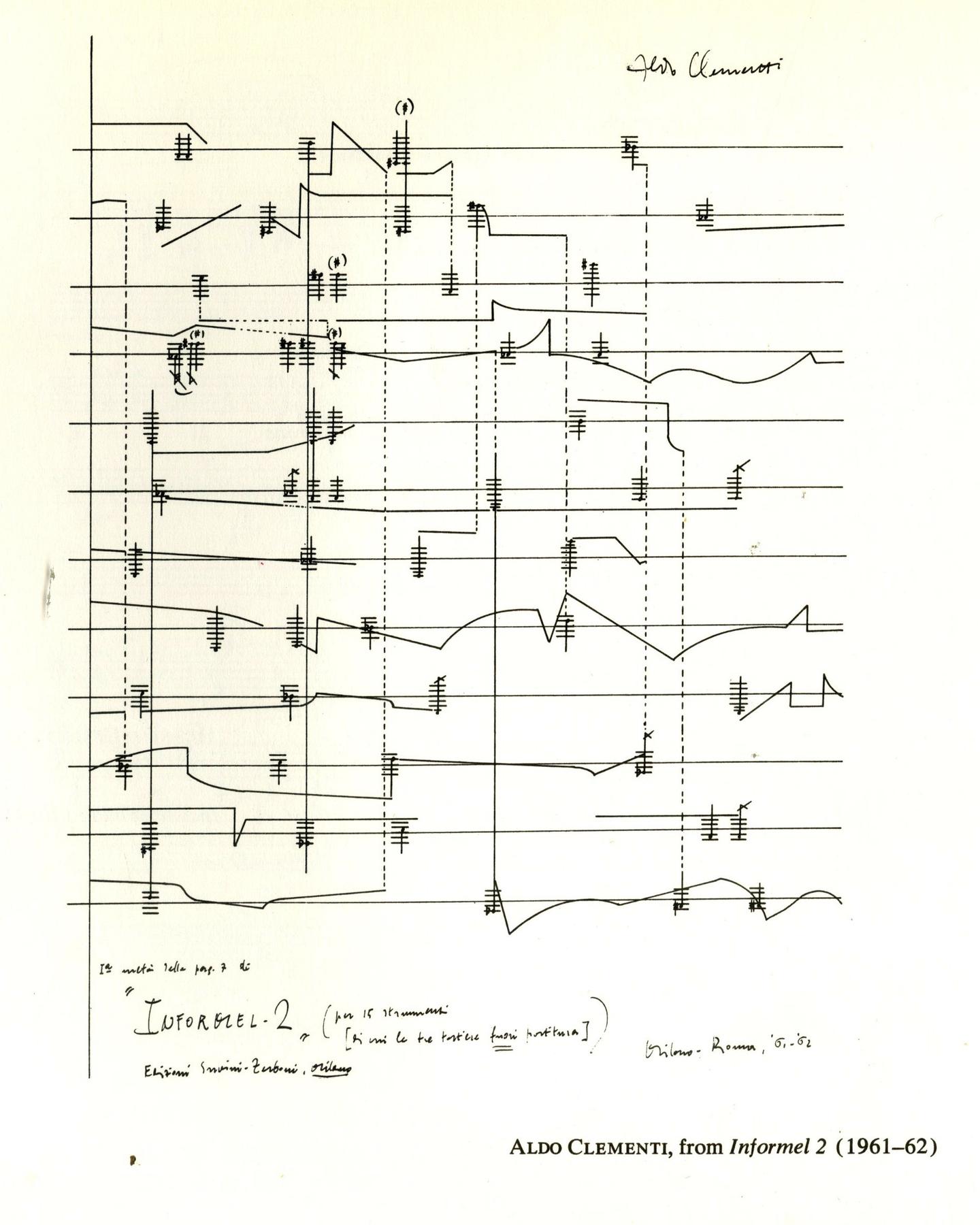 5f0c7cdaa3722626541ccd48ce2bbba385454dd1.jpg
 cmus.jpg
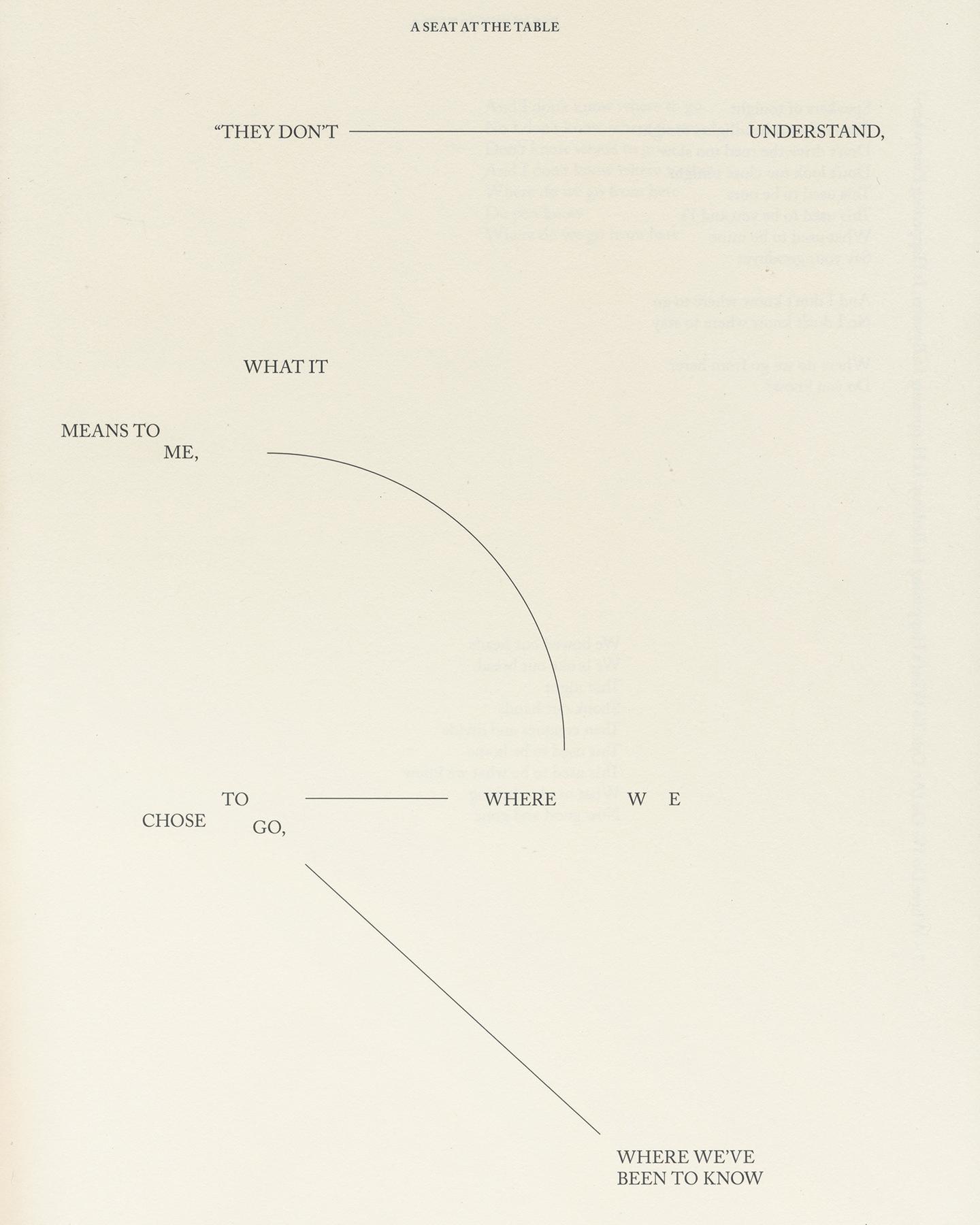 A Seat at the Table lyric book
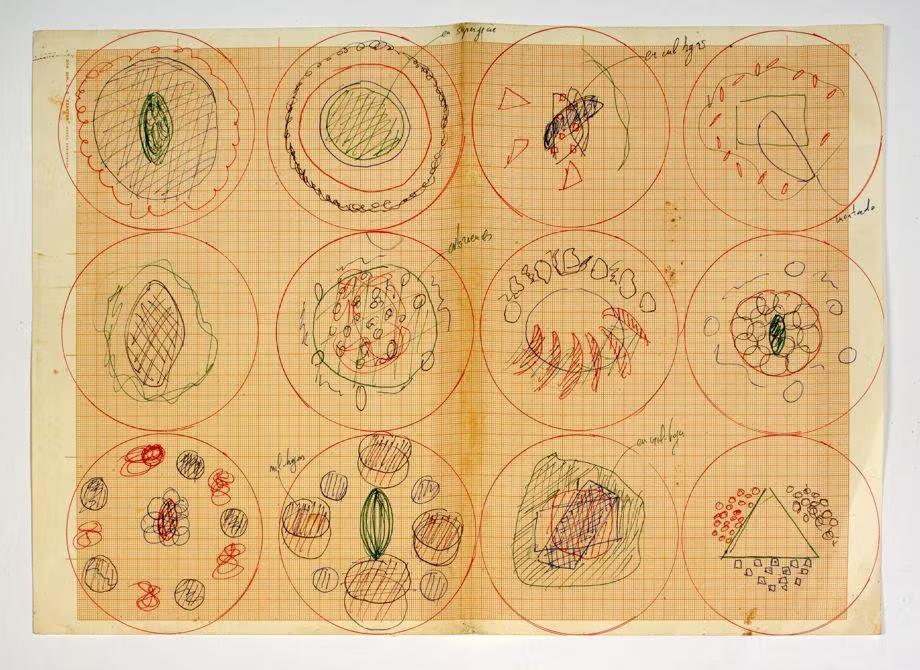 Ferrán Adriá Culinary Process
 e876d917d8dcb74946a7351e68e5e68dee6e8284.jpg
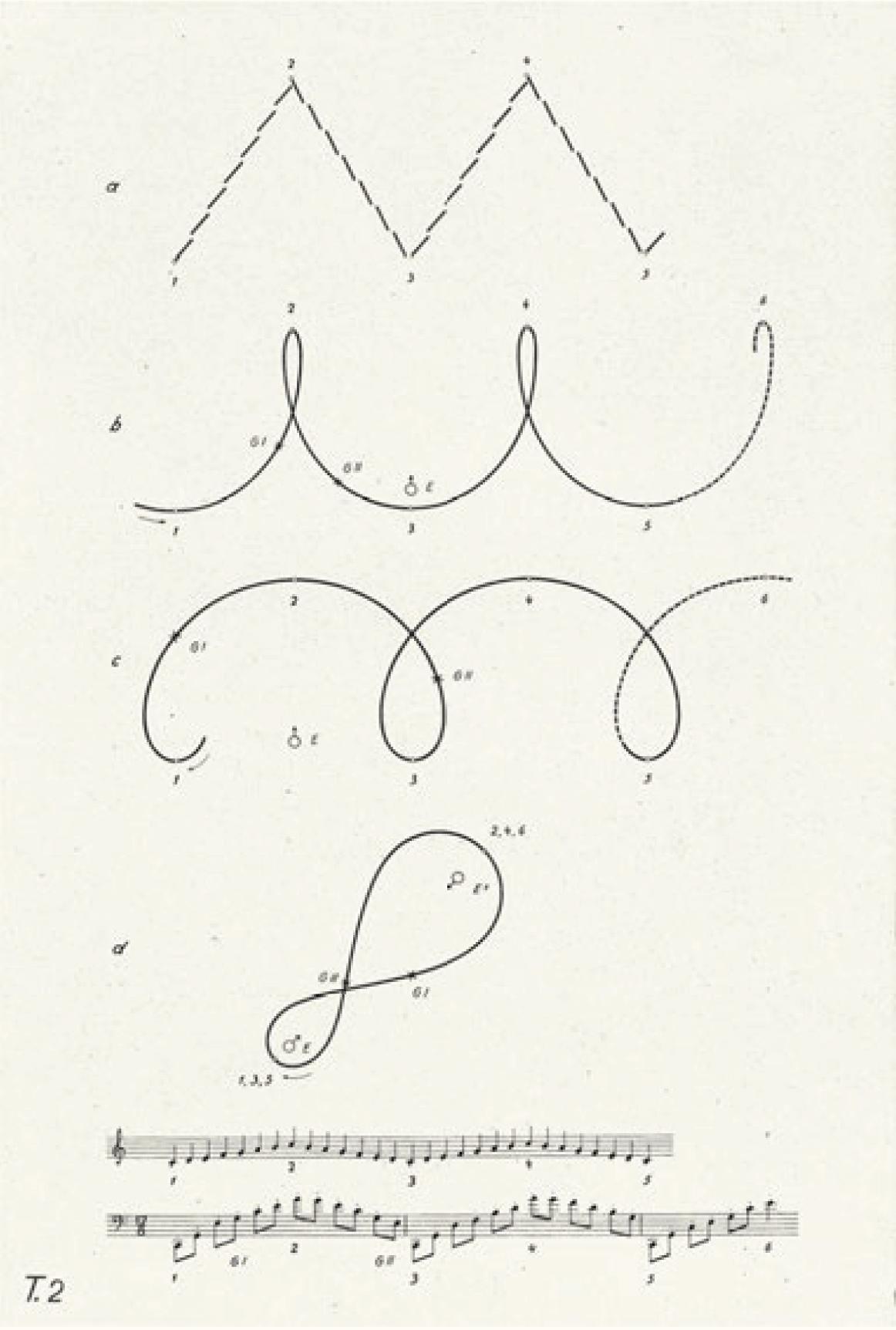 Alexander Trusit - Law of Movement
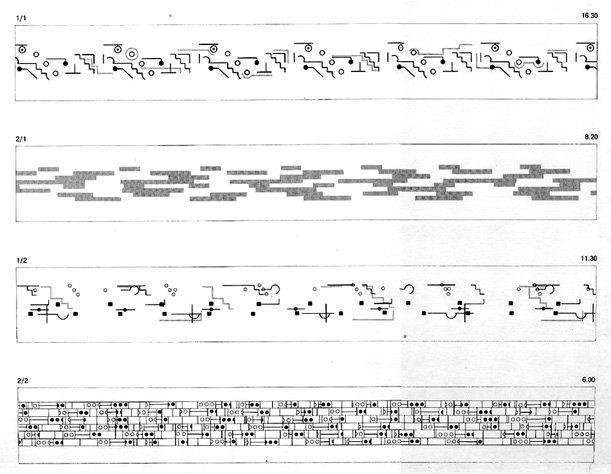 Brian Eno sheet music
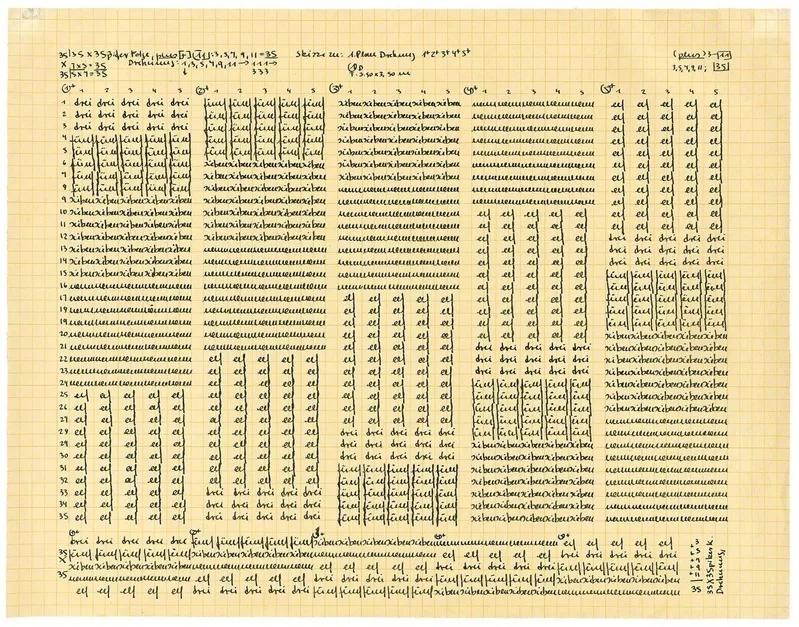 Hanne Darboven ohne Titel (Skizze zu: 1. Plan Drehung 1+2+3+4+), 1968
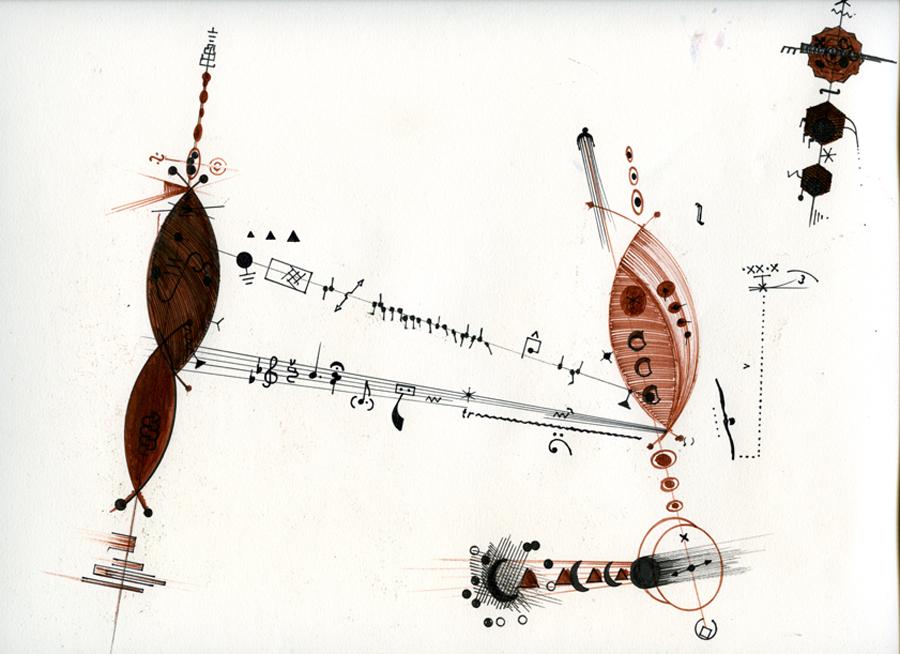 9c748037ee083e9259437852944850e8f9a33153.jpg
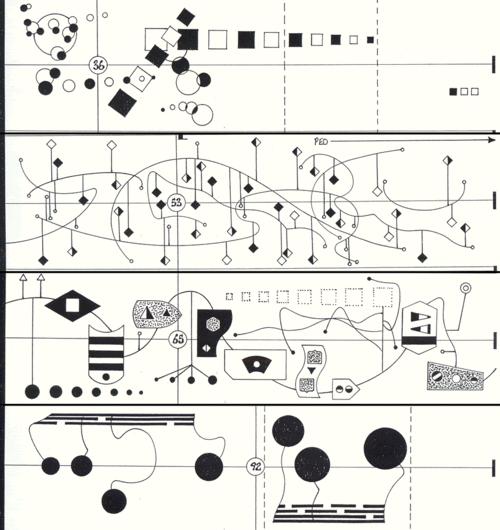 image.png
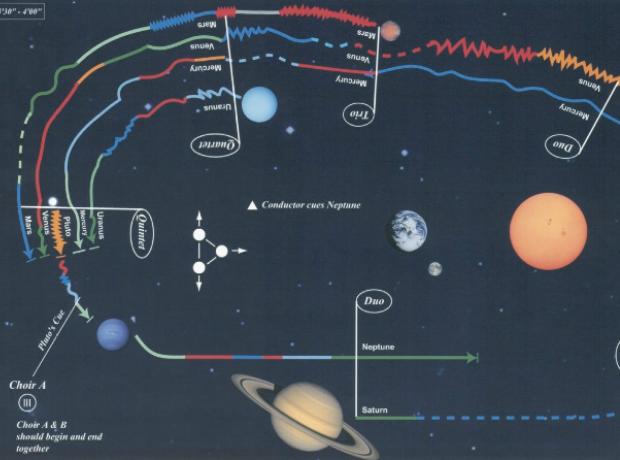 Loyato - Celestial Spheres Fantasy For ImprovisersImagine you wrote a letter to someone that matters to you, without using any words - you had to make the language out of something else.Text block
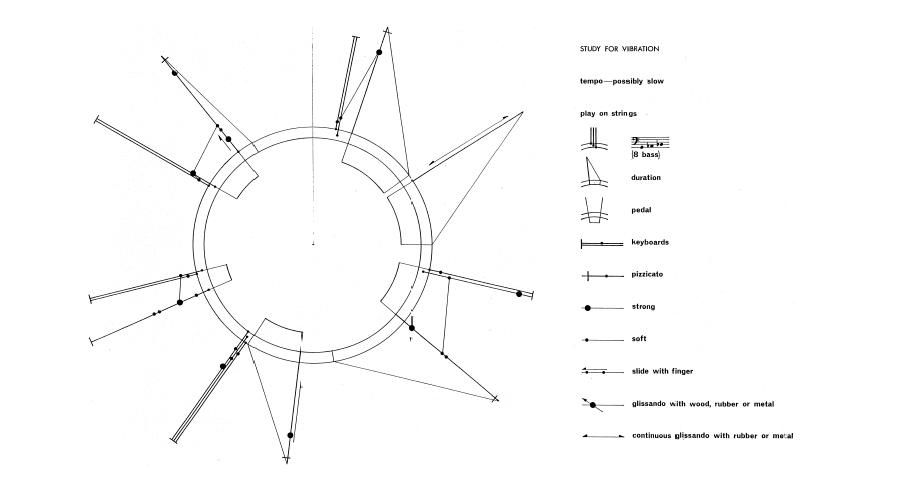 Toru Takemitsu, Study for Vibration (1962)
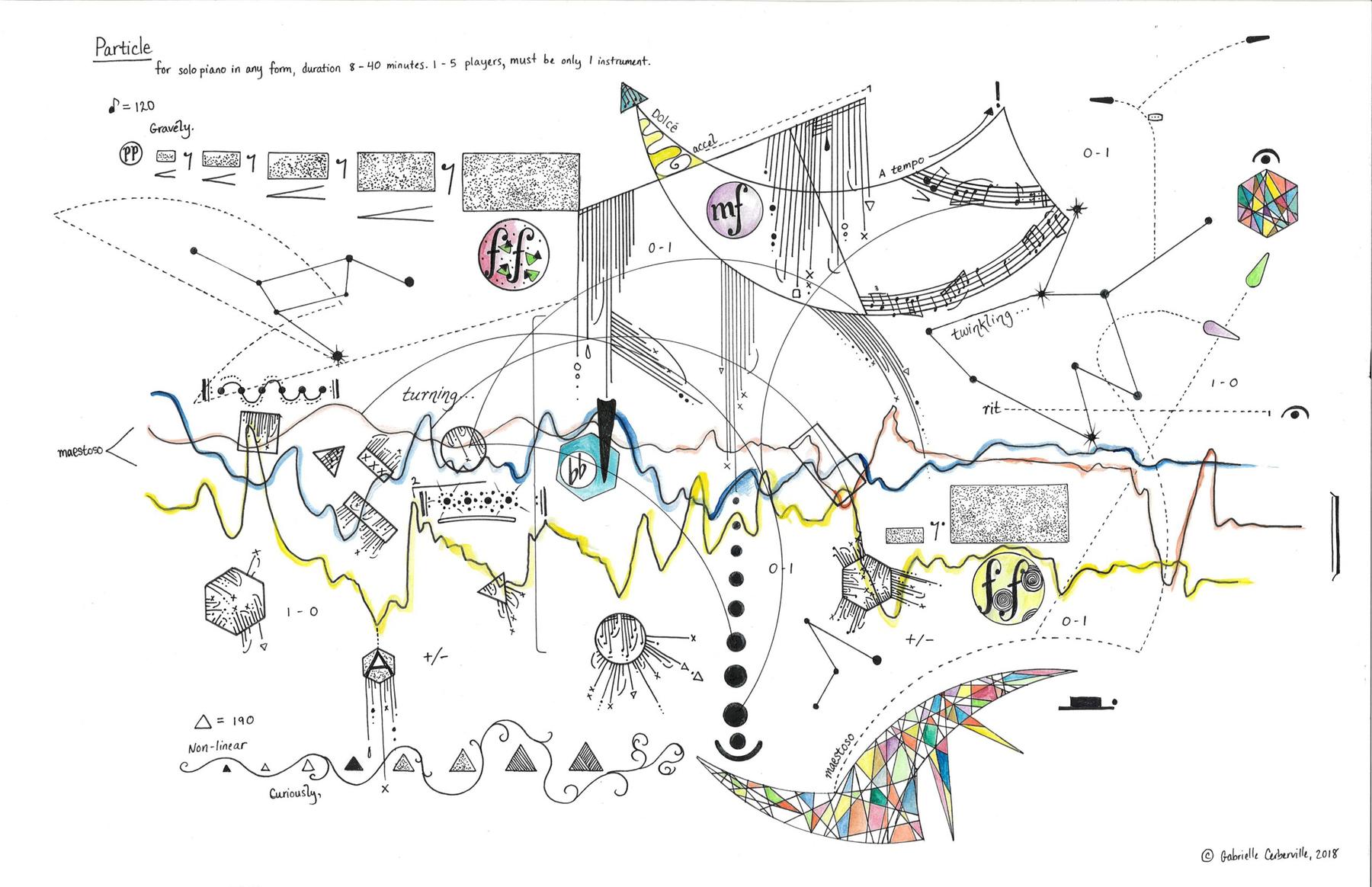 Gabrielle Cerberville, ‘Particle’ for solo piano (2018)
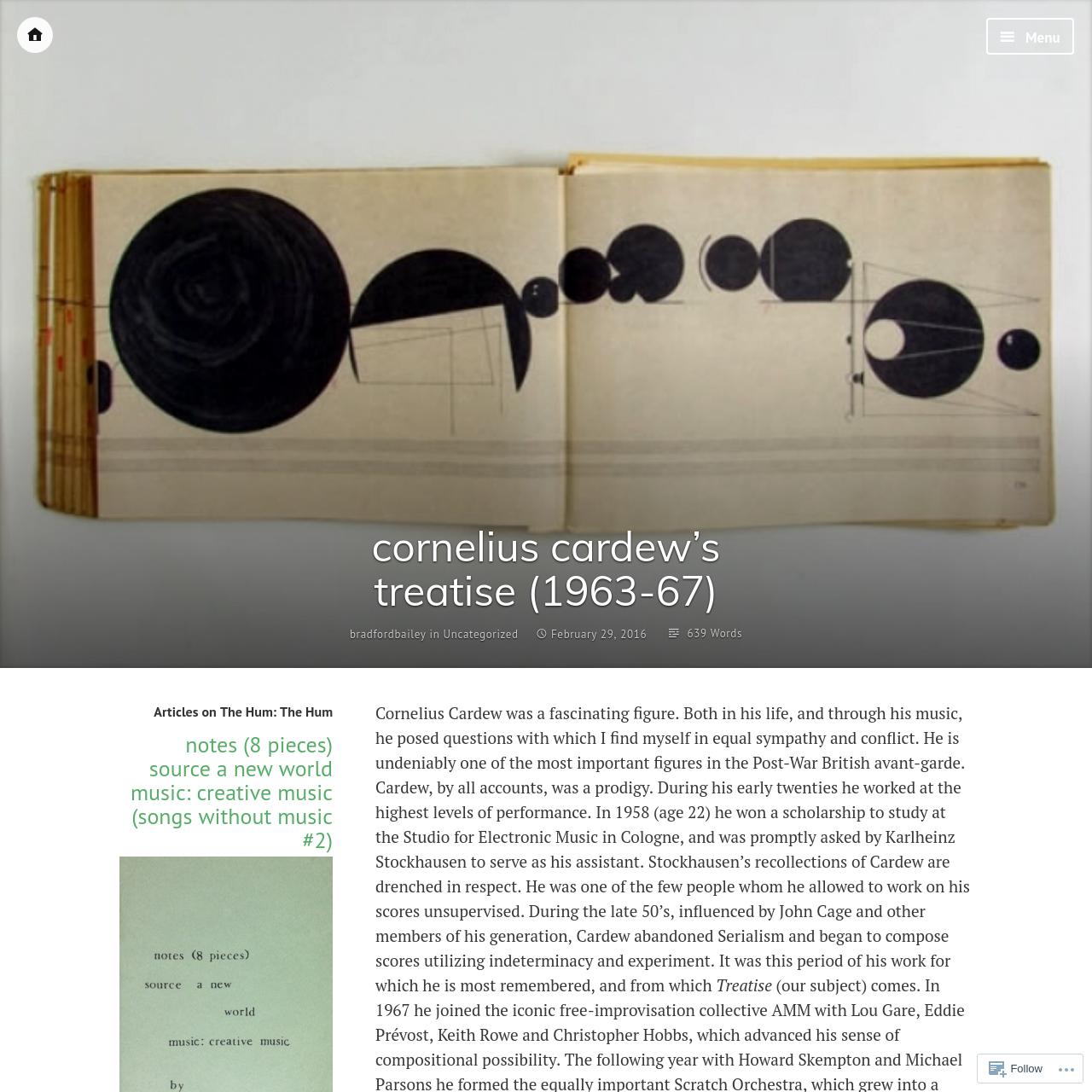 cornelius cardew's treatise (1963-67)
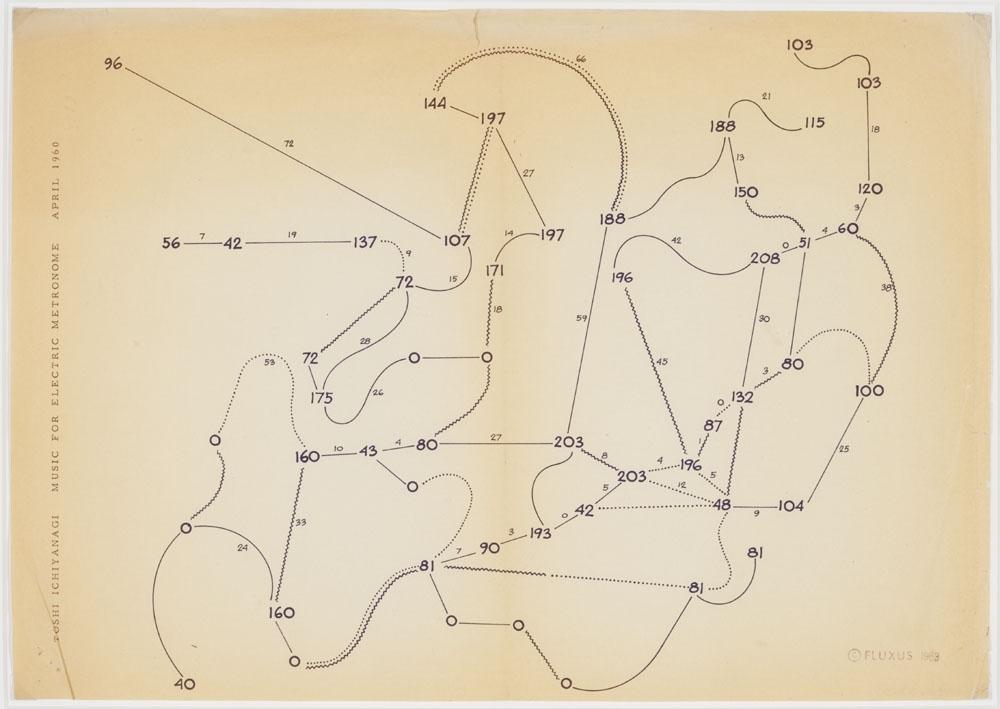 toshiichiyanagi.jpg
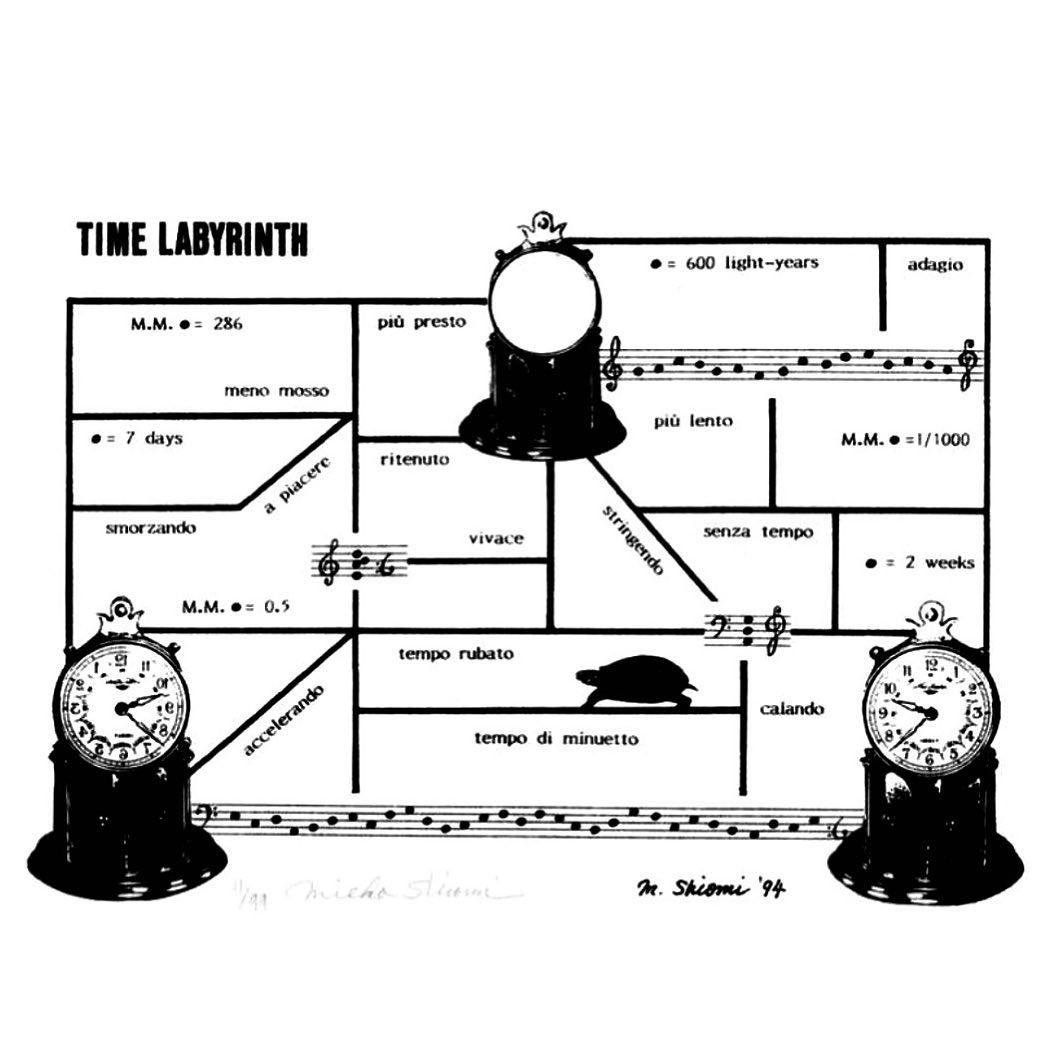 Mieko Shiomi, Time Labyrinth (1994)
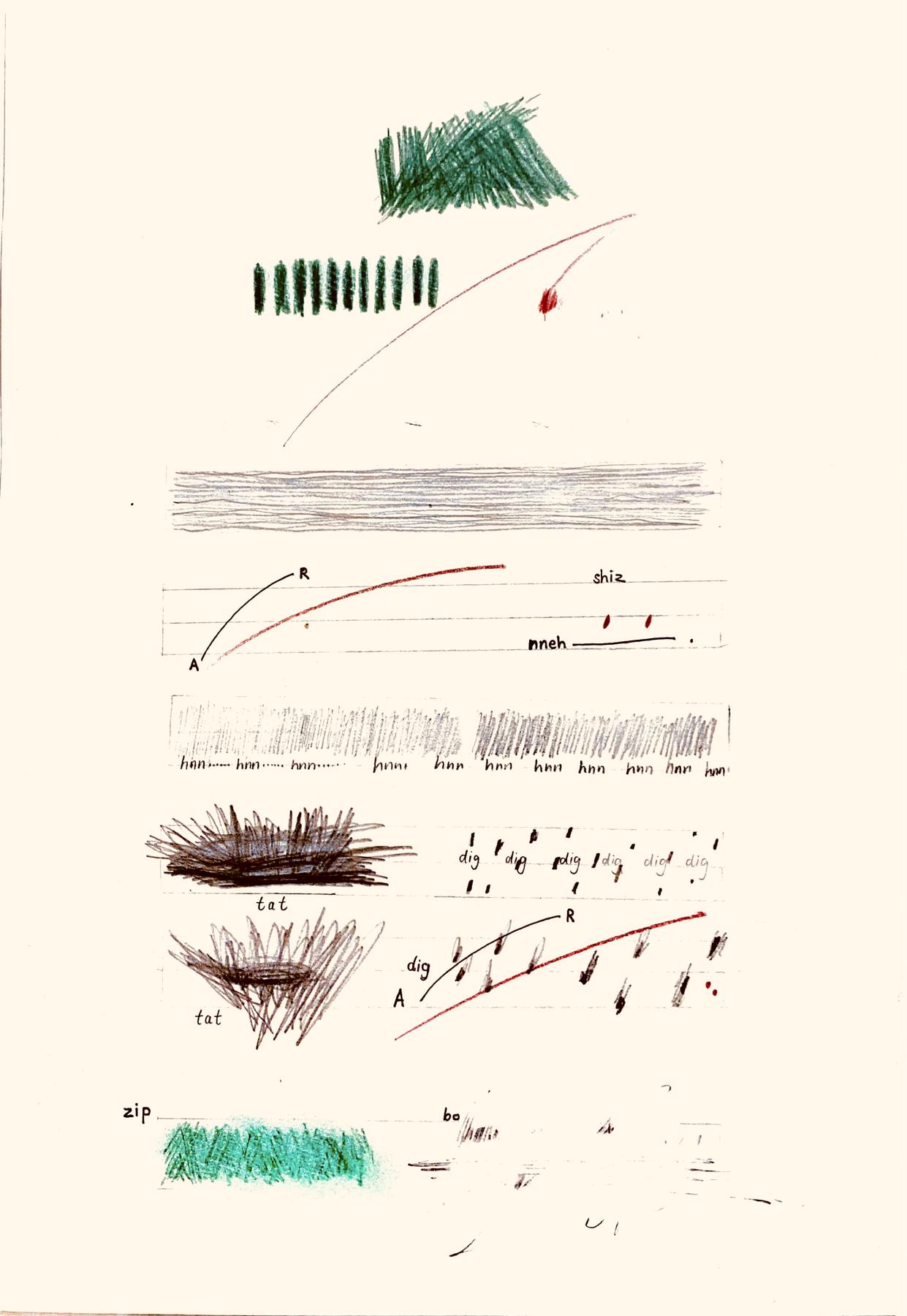 img_9907-2.jpg
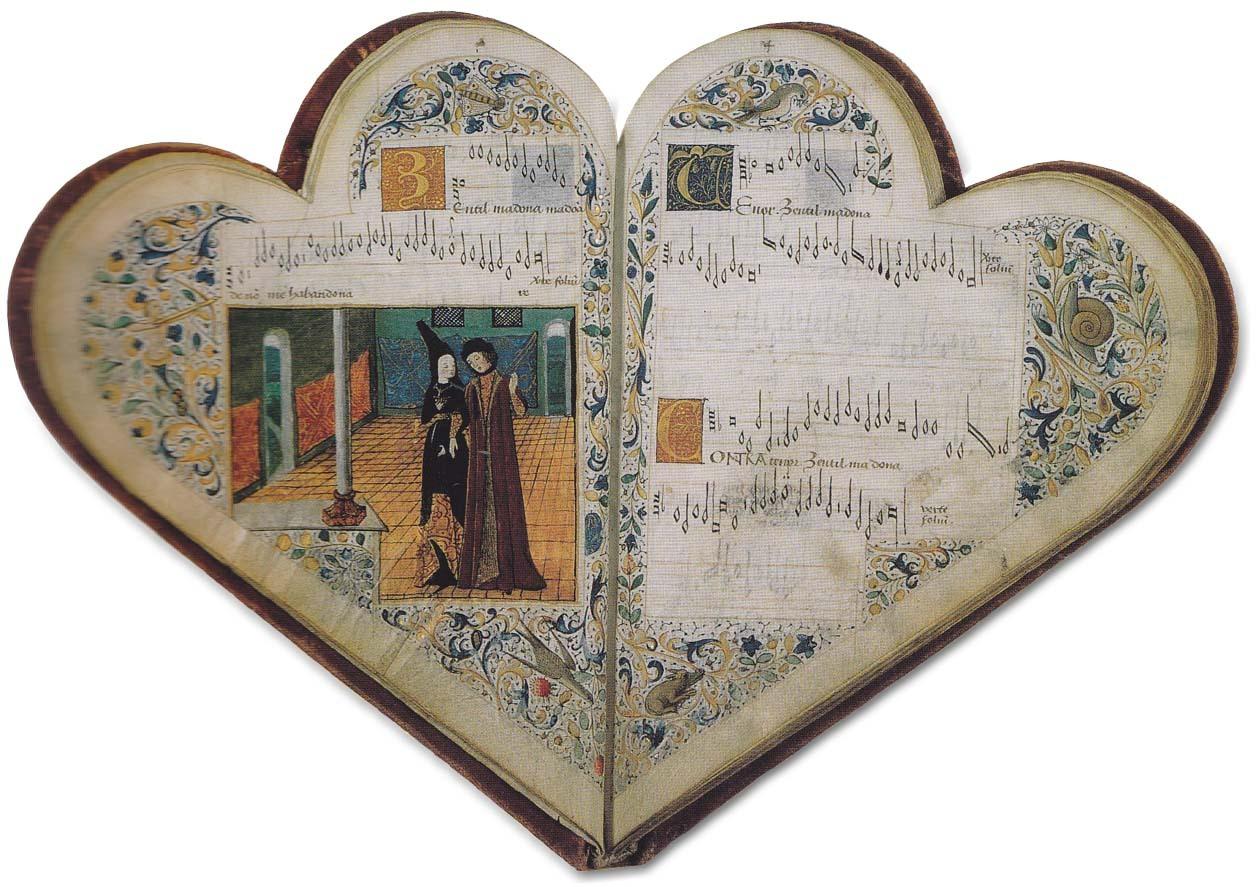 original_dac4814ebc03e38f4060990aa538ff1d.jpg
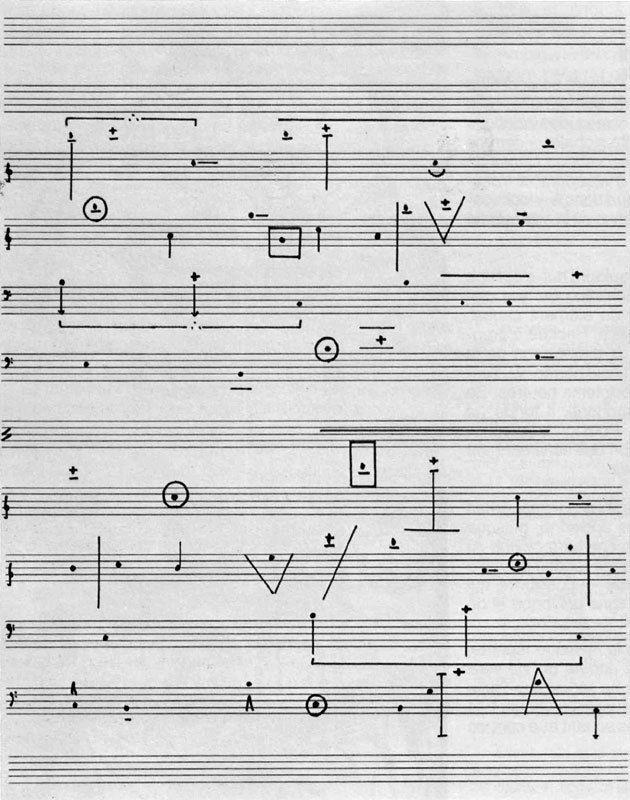 Horacio Vaggione - L'Art de la Musique N°2, for 4 oscillators
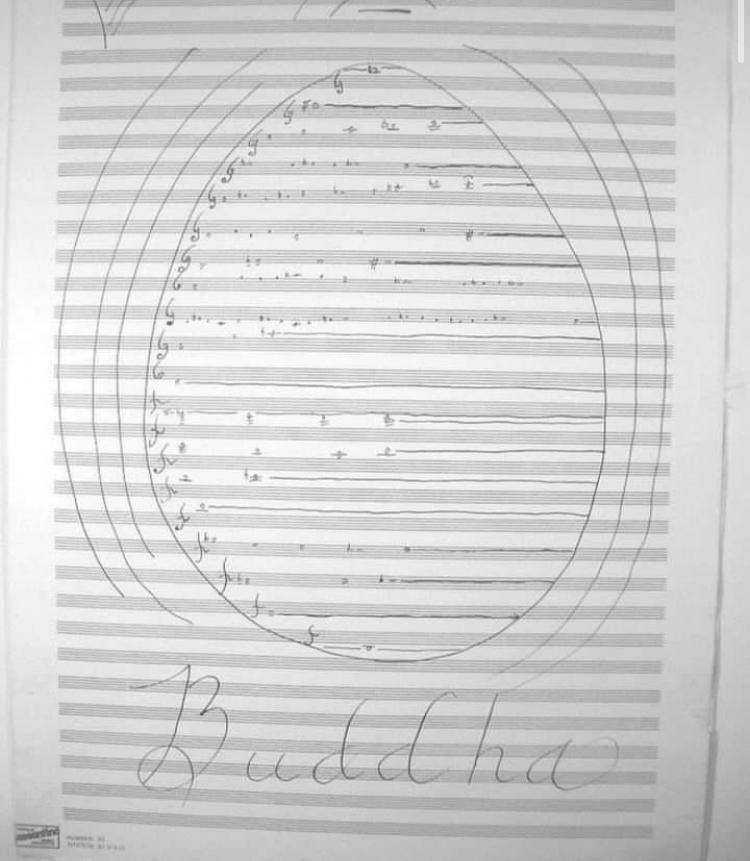 Julius Eastman’s Buddah
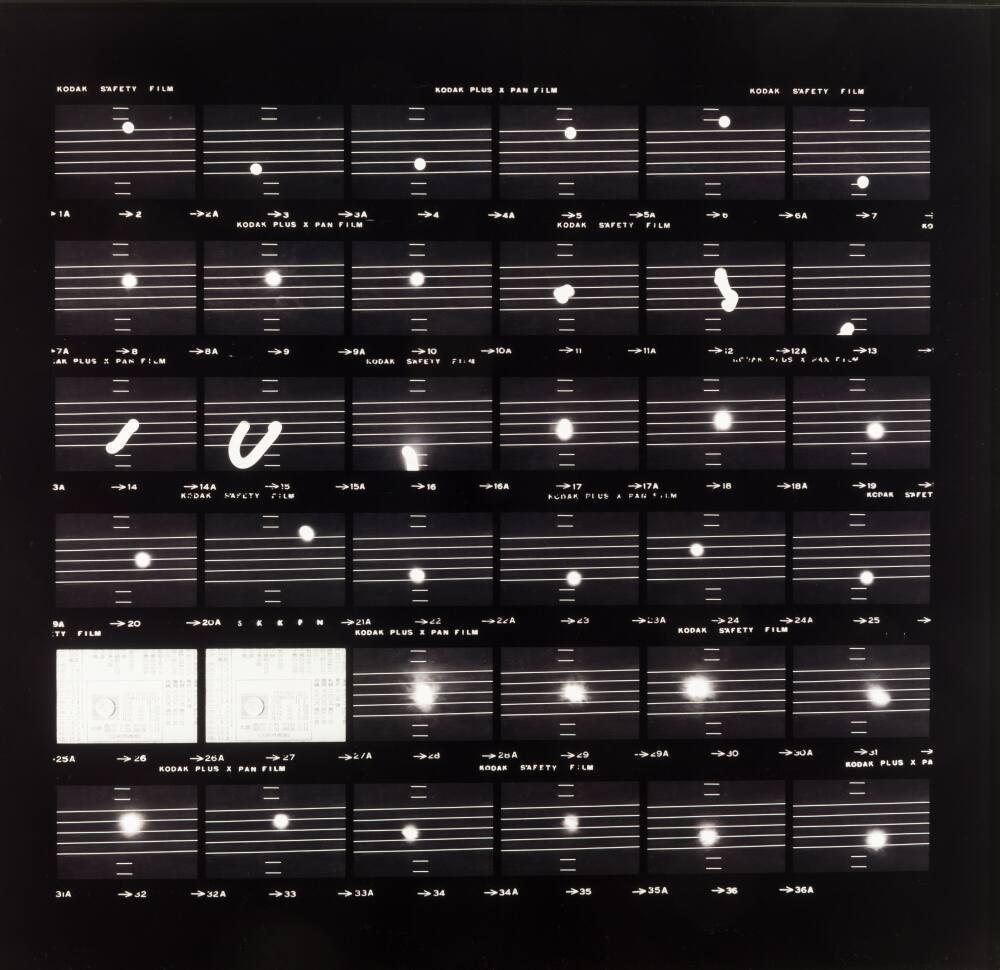 Hitoshi Nomura
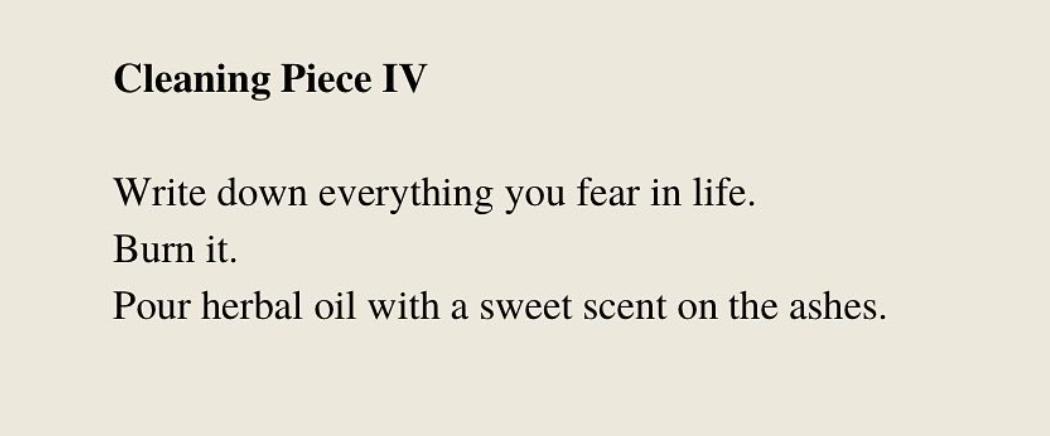 Yoko Ono
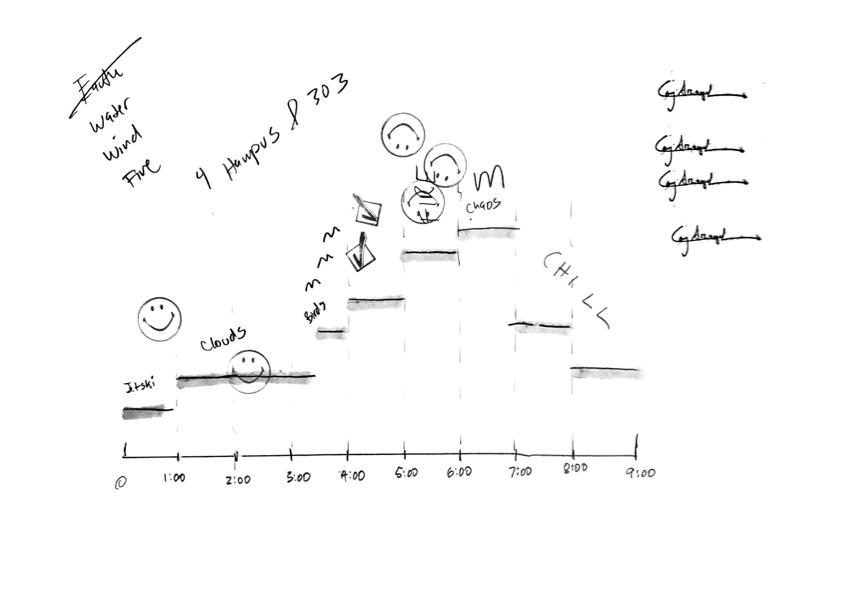 Sending video score 2 composer (Hampus Lindwall)